


A meniscus tear is one of the most common knee injuries in sport. It can sideline a soccer player, skier or basketball player for a few weeks or, in some cases, for several months. The good news is that many athletes return to full activity with the right rehab plan, and not every tear needs surgery. Here is what athletes should know about meniscus tears, typical recovery timelines and the rehab options available.
What Is the Meniscus?
Each knee has two menisci: C-shaped pads of cartilage that sit between the thigh bone and shin bone. They act as shock absorbers, spread load across the joint and help keep the knee stable. The medial meniscus sits on the inner side of the knee, and the lateral meniscus sits on the outer side.
How Do Athletes Tear a Meniscus?
In younger athletes, tears usually happen during a twisting or pivoting movement with the foot planted, such as cutting in soccer or landing awkwardly from a jump. Deep squatting under load can also cause a tear. In older athletes, the meniscus can weaken over time, so a smaller movement may be enough to cause a degenerative tear.
Common Symptoms
- Pain along the inner or outer joint line of the knee
- Swelling that develops over the first day or two
- Stiffness and difficulty fully straightening or bending the knee
- A catching or clicking sensation
- Locking, where the knee gets stuck, or a feeling of the knee giving way
A knee that locks and cannot be straightened should be assessed quickly, as this may indicate a displaced fragment of cartilage. The American Academy of Orthopaedic Surgeons has a helpful overview of meniscus tears that explains tear types and diagnosis in more detail.
Recovery Timelines: What to Expect
Every tear is different, and the timeline depends on the size, type and location of the tear, the athlete’s sport and whether surgery is needed. As a general guide:
- Conservative (non-surgical) rehab: many smaller or stable tears improve over roughly 6 to 12 weeks of structured rehab
- Partial meniscectomy (trimming the torn part): return to sport often follows within several weeks once strength and swelling allow
- Meniscus repair (stitching the tear): recovery is longer, often several months, because the repaired tissue needs time to heal before high-impact loading
Your surgeon and physiotherapist will set milestones based on your specific injury rather than the calendar alone.
Rehab Options for Athletes
Physiotherapy plays a central role whether or not surgery is involved. A good rehab program usually moves through stages:
- Settle the knee: control swelling and pain, restore full straightening and comfortable walking
- Rebuild strength: progressive exercises for the quadriceps, hamstrings, glutes and calves
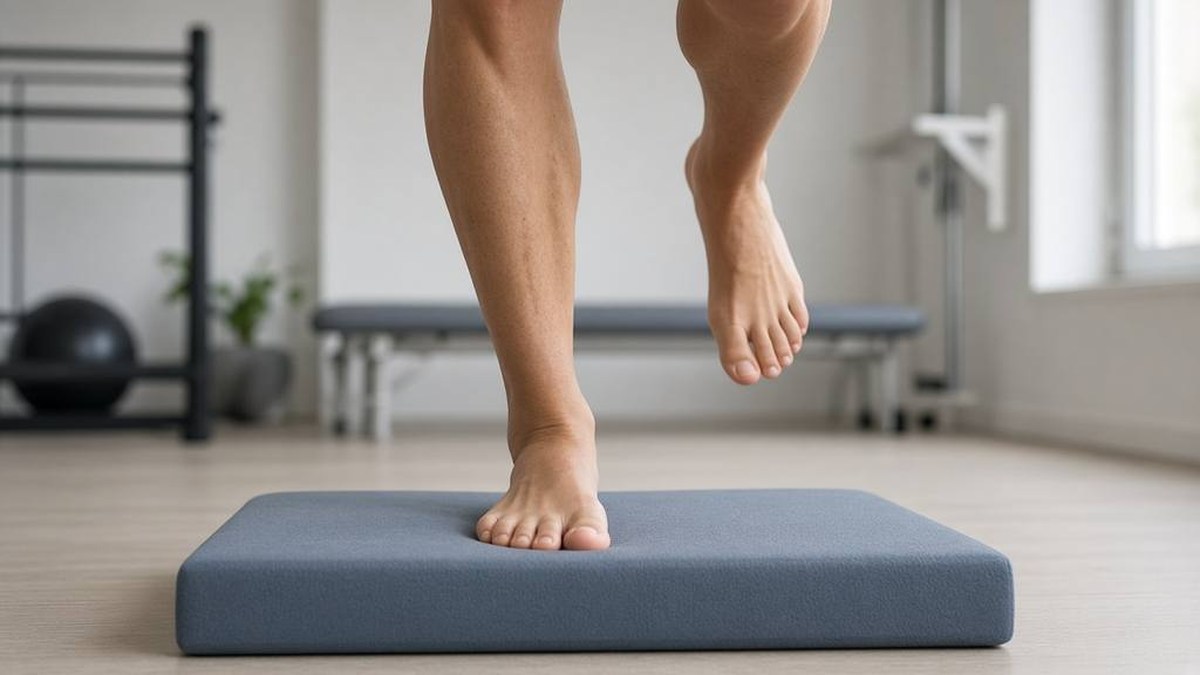
- Restore control: balance and single-leg exercises so the knee stays stable during movement
- Return to running: a gradual running progression once strength and swelling criteria are met
- Sport-specific training: cutting, jumping, landing and agility drills tailored to your sport
For athletes searching for sport physiotherapy near me, it helps to choose a clinic that understands the demands of your sport and builds testing into the plan, such as strength comparisons between legs and hop tests, before clearing you to return.
Do All Meniscus Tears Need Surgery?
No. Many stable tears, and most degenerative tears, respond well to rehab alone. Surgery is more often considered when the knee repeatedly locks, when there is a large displaced tear or when symptoms do not improve after a good trial of physiotherapy. An assessment helps clarify which path makes sense for you.
Getting the Right Help Early
Early, guided rehab reduces stiffness, protects strength and gives you a clear plan instead of guesswork. Whether you are dealing with a fresh tear or ongoing symptoms, starting physiotherapy for knee pain with an experienced physiotherapist can shorten the road back to sport and lower your risk of reinjury.
Ready to get back to your sport? Contact Stittsville Physio to book an assessment and start a rehab plan built around your knee and your goals.