


Back pain affects people of all ages and lifestyles. It can result from poor posture, muscle strain, or injury. Understanding what truly helps can make recovery smoother and prevent future discomfort. Modern approaches focus on restoring movement, strengthening muscles, and improving overall function through targeted treatment plans.
Understanding the Causes of Back Pain
Before exploring effective solutions, it is important to recognize the common causes of back pain. These may include prolonged sitting, repetitive lifting, or sudden twisting movements. In some cases, underlying conditions such as arthritis or disc problems may also contribute to discomfort.
Identifying the main source of pain allows a therapist to create a personalized plan. This ensures exercises and techniques address the specific muscles or joints involved, rather than treating symptoms alone.
Key Principles of Effective Physiotherapy
An evidence-based approach focuses on movement restoration and pain reduction. Techniques are chosen based on the individual’s condition and progress over time.
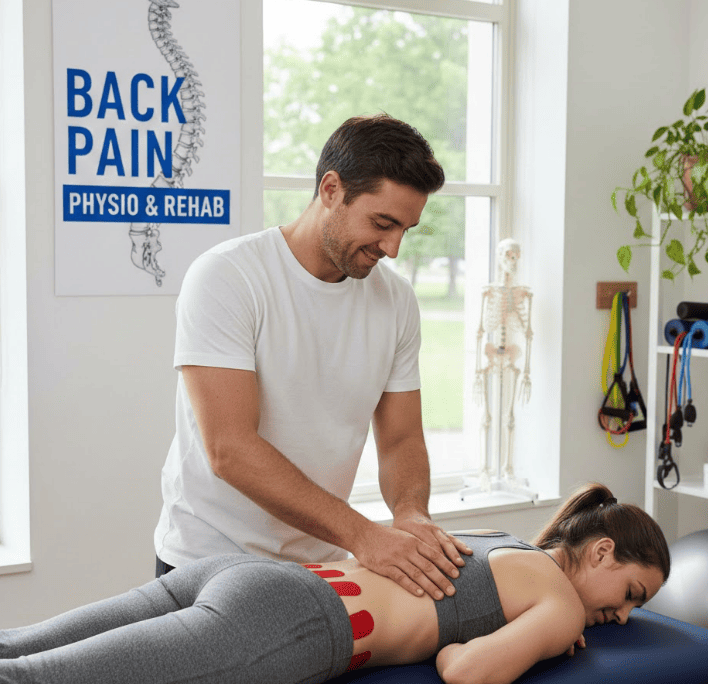
- Manual therapy to release muscle tension and improve joint mobility
- Targeted strengthening exercises for core stability
- Postural correction and ergonomic advice
- Gradual progression of activity to prevent re-injury
These principles form the foundation of physiotherapy for back pain. Consistency and proper guidance play a crucial role in achieving long-term relief.
Exercise and Movement Strategies
Movement is often one of the best ways to manage back pain. Gentle stretching improves flexibility, while strengthening exercises enhance stability around the spine. Controlled movement helps reduce stiffness and promotes better circulation to healing tissues.
Common exercises include pelvic tilts, bridges, and gentle rotations. A therapist ensures that each movement is performed safely and gradually, matching the person’s ability and comfort level.
Posture and Daily Habits
Every day posture strongly influences back health. Slouching or sitting for long periods can strain spinal structures. Learning to align the spine while sitting, standing, and walking reduces unnecessary pressure on muscles and joints.
Simple changes, such as adjusting chair height or taking short movement breaks, can make a noticeable difference. Small, consistent improvements often yield lasting results.
Role of Sports Physio in Back Pain Management
Athletes and active individuals often experience back pain due to repetitive strain or sport-specific movements. The principles of sports physio apply here, focusing on restoring optimal performance while preventing further injury.
A sports-focused approach includes dynamic stretching, functional training, and sport-specific conditioning. These methods not only relieve pain but also enhance strength and endurance for better performance.
When to Seek Professional Guidance
Persistent or severe back pain should always be assessed by a qualified professional. Early evaluation helps identify potential complications and ensures that treatment is safe and effective. With the right assessment, individuals can gain clarity on what activities to avoid and which to gradually reintroduce.
Professional guidance also supports motivation and accountability. Regular monitoring allows adjustments to the plan as recovery progresses, ensuring steady improvement.
Long-Term Maintenance and Prevention
Once symptoms improve, maintaining back strength and flexibility becomes essential. Ongoing exercises, mindful posture, and balanced activity levels help prevent recurrence. Building awareness of body mechanics supports overall health and mobility.
Whether managing an old injury or preventing new discomfort, consistent care and informed movement choices make a lasting difference in back health. Whether managing an old injury or preventing new discomfort, consistent care and informed movement choices make a lasting difference in back health. Get in touch with our team at https://stittsvillephysio.com/ to book an assessment and receive a personalized physiotherapy plan.