


Injury and pain can disrupt daily routines, limit movement, and reduce confidence in physical activity. Early physiotherapy treatment is one of the most effective ways to support recovery and prevent long-term complications. By addressing issues promptly, individuals can restore strength, mobility, and function more efficiently.
The Importance of Early Intervention
When injury occurs, the body begins a natural healing process that includes inflammation, tissue repair, and remodeling. Early assessment by a qualified physiotherapist helps guide this process in a safe and controlled manner. Timely care reduces the risk of secondary issues such as stiffness or compensatory movement patterns.
Delaying treatment can lead to muscle weakness, poor posture, and chronic pain. Early intervention ensures recovery starts on the right path, minimizing the likelihood of recurring problems and prolonged discomfort.
Benefits of Starting Physiotherapy Early
Beginning treatment soon after an injury can provide several physical and psychological advantages. These benefits extend beyond immediate pain relief and contribute to long-term well-being.
- Faster reduction of pain and inflammation
- Improved joint mobility and flexibility
- Better muscle activation and strength restoration
- Decreased risk of further injury
- Greater confidence in movement and daily activity
Enhancing Tissue Healing
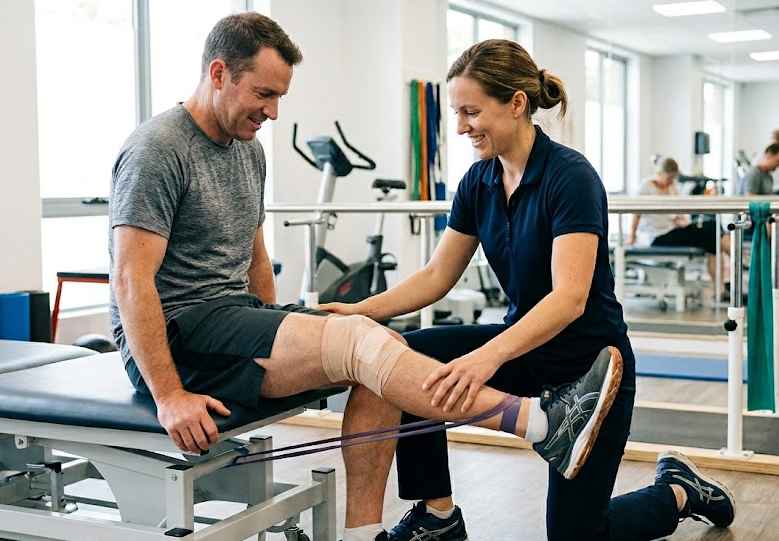
Controlled exercises and manual therapy promote blood flow and tissue repair. A sports physio uses specific techniques to stimulate healing without overloading injured structures. This approach helps maintain proper alignment and function during recovery.
Preventing Habitual Movement Patterns
After an injury, it is common to compensate by using other muscles or changing posture. Early physiotherapy identifies these patterns and corrects them before they become ingrained. Proper movement retraining supports balanced strength and reduces the risk of recurring pain.
Supporting Mental and Emotional Recovery
Physical injuries often affect confidence and emotional health. Early treatment provides reassurance through professional guidance and measurable progress. Understanding the healing process helps individuals stay patient and motivated during rehabilitation.
Regular sessions allow people to track progress, adjust goals, and celebrate improvements. This structured approach maintains optimism and encourages a return to normal activities with greater self-assurance.
Integrating Early Physiotherapy into Daily Life
Effective recovery depends on consistent effort both during and between sessions. Practicing recommended exercises at home, maintaining good posture, and following a balanced activity plan all contribute to faster improvement. Communication between the individual and the physiotherapist ensures adjustments are made as healing progresses.
Even minor discomfort can benefit from professional evaluation. Early treatment does not only address pain but also prevents it from escalating into a chronic problem. A proactive approach supports long-term movement health and an active lifestyle.
Building Long-Term Resilience
Physiotherapy is not limited to recovery from injury. Early involvement teaches proper movement mechanics, body awareness, and preventive strategies. These lessons reduce the likelihood of future injuries and enhance overall physical resilience.
Starting physiotherapy early empowers individuals to take control of their health. By restoring strength and mobility efficiently, recovery becomes smoother and more sustainable. The combination of expert guidance, consistent effort, and timely action leads to stronger outcomes and lasting results.